[google-translator]

Peru is located in South America, occupying the central western sector of the continent, south of the equatorial and in the middle of the tropical strip.
Peru is the nineteenth country of the world, within the context of nearly 200 nations, the sixth in the Americas and the third in South America, after Brazil and Argentina.
Its boundaries are framed, to the west by the Pacific Ocean; to the north with Ecuador and Colombia; to the east with Brazil and Bolivia ; and to the south with Chile.
Traditionally, three major regions are established: Coast, Sierra and Selva.
The Costa Region, represents an arid and narrow strip, covering 10.6% of the territory and houses more than half of the Peruvian population.
The Sierra, or mountain region, extends from 500 meters (1640 f) up to more than 6,000 meters (20000 f) above sea level, covers 31.8% of the Peruvian territory - and brings together 34% of the population. It is made up of the large mass of the Andes Mountains and has snow-capped peaks.
The Selva Region is part of the western periphery of the continental Amazon, exhibiting high plant cover and density typical of the humid tropics. Comprises a total area of 57.8% of the national territory, where it is concentrated 14% of the Peruvian population.
The most biologically diverse country in the world!
It has 90 different micro-climates therefore boasts an abundance of wildlife and plant species.
The best place to go to grasp the sheer range of its diversity is the Manu National Park.
It holds a biodiversity record after recognizing more than 1000 species of birds, 1200 species of butterfly and 287 species of reptiles in 2016.
The world's largest bird – Andean Condor lives in Peru. It weighs 12 kg, stands 1,2 meters high and has a wingspan of up to 4 meters long. Andean Condor is able to fly for hours without flapping a single wing. The bird was considered sacred by the Incas but unfortunately now is on the Red List of Threatened Species by the International Union for Conservation of Nature (IUCN).
The Deepest Canyon in The World – The Cotahuasi Canyon or Colca Canyon has a depth of 3,232 metres, that's twice the depth of the Grand Canyon in the US.
The World's Highest Lake - Located between Bolivia and Peru. Lake Titicaca has an elevation of 3,485 meters. A French conservationist found ruins of an ancient city underneath its surface. Today, the descendants of the Quechua people, who lived in this city, live on 120 self - made floating islands in the lake.
Peru is considered one of the top foodie destinations in the world!
Lima, Peru, is home to two of the world's top restaurants, showcasing the country's rich culinary heritage. “Central”, ranked No. 1, is celebrated for its innovative approach, elevating Peruvian ingredients through dishes that explore the country's diverse altitudes and ecosystems.
“Maido”, holding the No. 10 spot, is renowned for its fusion of Japanese and Peruvian flavors, offering an unforgettable dining experience. Both are culinary masterpieces, blending tradition with modernity in remarkable ways.
Michelin star chefs from all over the world fly to Lima and Cusco to learn how to master their trade. Since 2012, the country has been named the World Leading Culinary Destination by the World Travel Awards.
A mecca for super foods, Peru is also home to a long list of good-for-you agricultural products, due in large part to the country’s diverse microclimates and landscapes.
Guinea pigs are food, not pets!
Cuy is a traditional dish that's made from roasted guinea pig. The animal is served crispy and complete with head, legs, and eyes. It's a healthier choice than llama meat, and contains much more protein.
Cocoa - some of the best chocolate in the world is produced in Peru!
At The International Chocolate Awards in 2019, Peruvian chocolate bars received a Gold medal in the Plain/origin dark chocolate bars category. Peru received 17 medals in total.
In Peru, over one-quarter of cacao production is certified as organic, fair trade, and/or sustainable. A 60% of the world’s cocoa varieties are indigenous to Peru
Today, Spanish is the first language of more than 80% of Peruvians.
150 Indigenous languages from the Amazon were documented by Jesuits that settled Peru in the 16th century.
Yet, there are still 47 native languages that are spoken across the country: 43 of these in the Amazon, and 4 in the Andean region.
Quechua (in its different variants) is spoken by about 9 million people across the continent in the andean regions, including in Ecuador, Bolivia and in the northwest of Argentina.This makes it the most spoken native language in South America.
Aymara is the second most common, with almost half a million speakers, mostly used by people who live in the area of lake Titicaca.
Peru is home to some of the most ancient and advanced civilizations in Latin America. The Norte Chico (also known as Caral-Supe), one of the oldest known civilizations in the Americas, thrived around 3000 BCE in the coastal region of Peru.
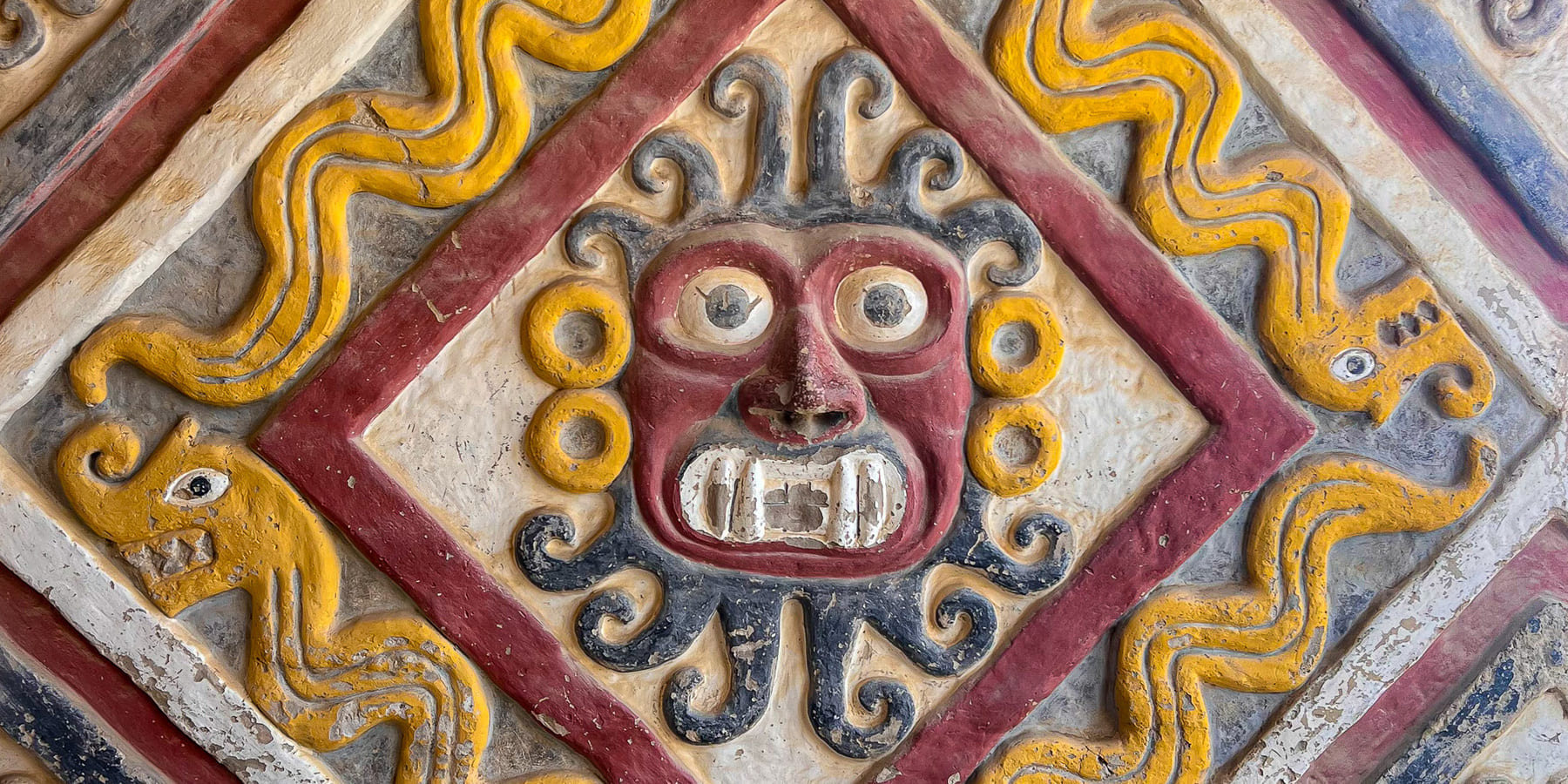
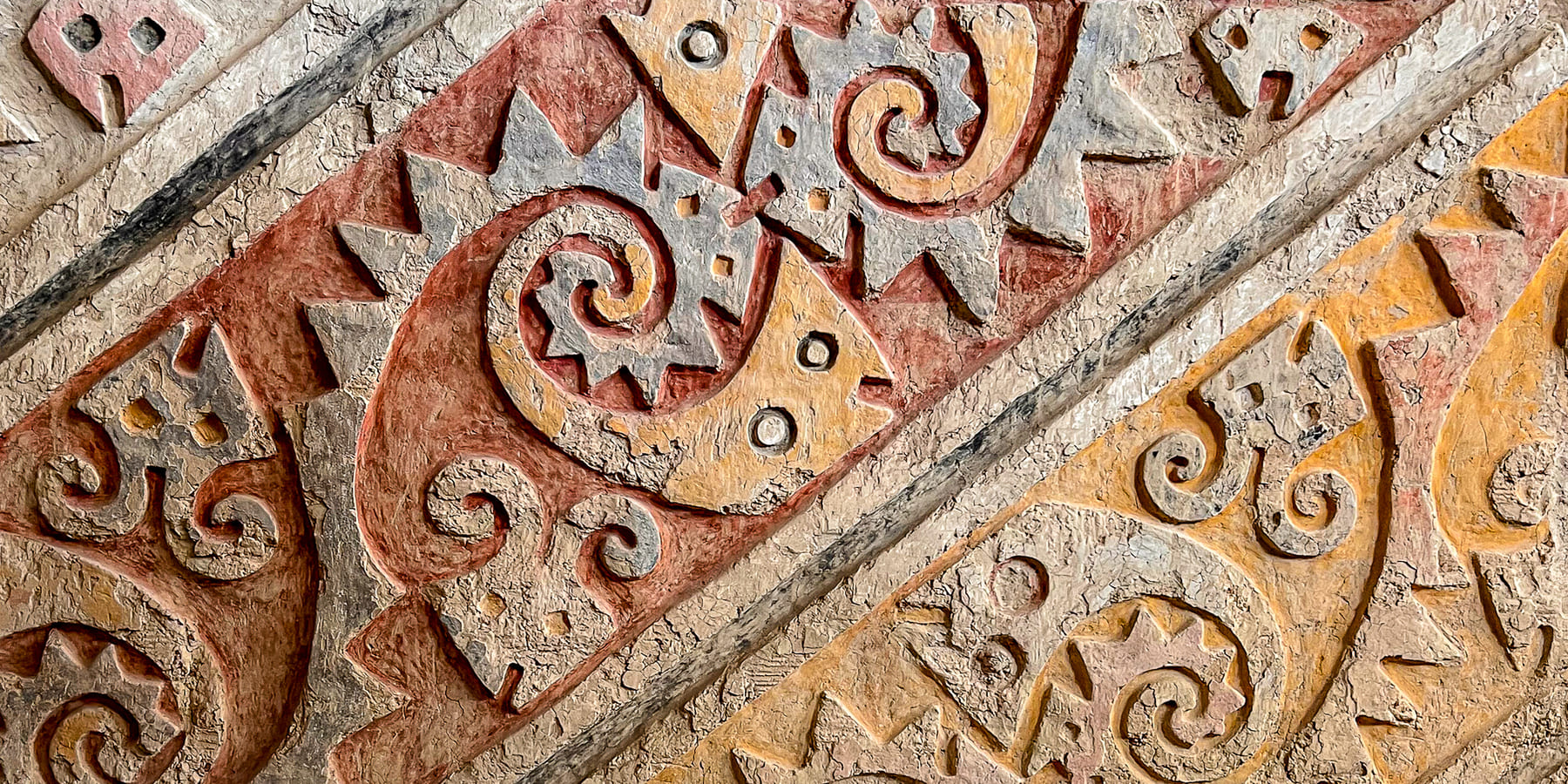
The Moche civilization, known for its detailed pottery and impressive pyramids, dominated the northern coast from around 100 to 800 CE.
Finally, the Inca Empire, the most renowned of Peru’s ancient cultures, united the Andean region under its rule from the 15th century until Spanish conquest, leaving behind remarkable structures like Machu Picchu.